

Deep Tissue Massage Gallery
$$MultiPurposeText$$
See examples of our Deep Tissue Massage work and results.




What Our Clients Say
$$MultiPurposeText$$
Read testimonials from our satisfied customers

My facials are always amazing and my skin feels refreshed, glowing and healthier after eve...more

I had an experience like no other. Lily was my massage therapist and she did an amazing jo...more

This was my first time here and Lily was amazing. I got the body wrap & fully body massage...more

Amazing place Hoghly recommended

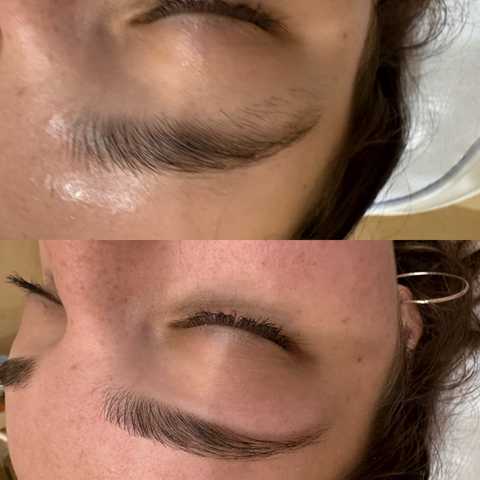
Mona does an excellent job threading my eyebrows! I have been going to her spa for years!

I had a wonderful dermaplaning experience at this spa. Mona was professional, gentle, and ...more

Frequently Asked Questions
Get answers to common questions about Deep Tissue Massage.
A typical session includes a focused consultation, targeted deep-pressure techniques, breathing guidance and aftercare suggestions. Therapists work slowly to release tight fascia and muscle adhesions, communicating pressure preferences to ensure effective and safe treatment throughout the massage.
Yes, beginners can receive Deep Tissue Massage. We start gently, build pressure gradually, and prioritize communication. If you have health concerns, inform your therapist so they can adapt techniques and intensity for comfort and safety.
Duration of relief varies by condition and consistency; many clients notice improved mobility and reduced pain for days to weeks. Regular sessions combined with stretching, hydration, and posture work extend benefits and support long-term muscle health.
Some discomfort during targeted work is normal, but excessive pain is not. Mild soreness commonly appears for 24 to 48 hours as tissues adjust. Communicate openly during treatment—therapists modify pressure, techniques, or focus areas to keep you within a tolerable range.
For chronic tension, weekly or biweekly sessions often produce meaningful progress; short-term athletes may benefit after single sessions around events. Your therapist will recommend a personalized plan based on goals, recovery needs, and response to initial treatments.
Certain conditions like acute inflammation, uncontrolled high blood pressure, recent surgery, deep vein thrombosis, or active infection may contraindicate deep work. Always disclose medical history, medications, and recent injuries during intake so therapists can adapt or advise against treatment.