

90 min Deep Tissue Massage Gallery
$$MultiPurposeText$$
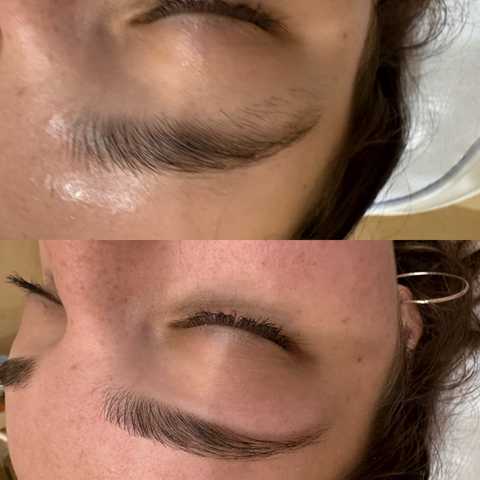
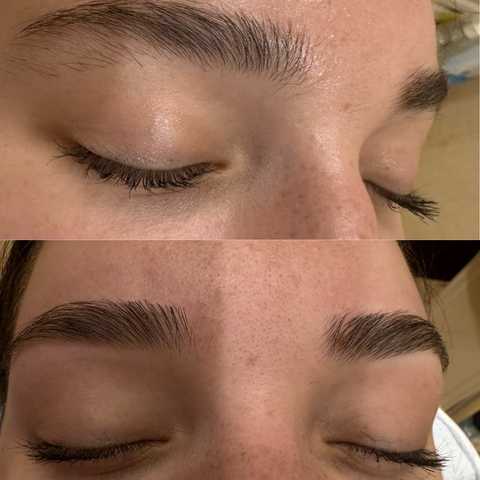
See examples of our 90 min Deep Tissue Massage work and results.



What Our Clients Say
$$MultiPurposeText$$
Read testimonials from our satisfied customers

My facials are always amazing and my skin feels refreshed, glowing and healthier after eve...more

I had an experience like no other. Lily was my massage therapist and she did an amazing jo...more

This was my first time here and Lily was amazing. I got the body wrap & fully body massage...more

Amazing place Hoghly recommended

Mona does an excellent job threading my eyebrows! I have been going to her spa for years!

I had a wonderful dermaplaning experience at this spa. Mona was professional, gentle, and ...more

Frequently Asked Questions
Get answers to common questions about 90 min Deep Tissue Massage.
Yes. Therapists adjust pressure to your comfort and will communicate throughout the session. Expect deeper work than a Swedish massage; if you're new, notify the therapist about pain tolerance, medical history, and areas to avoid.
Hydrate well and avoid heavy meals before your appointment. Wear comfortable clothing and arrive ten minutes early to complete health forms. Communicate injuries, recent surgeries, or sensitivities so the therapist can tailor pressure and techniques for safe, effective results.
Some discomfort can occur when therapists work through dense knots, but it should never be intolerable. We prioritize communication and adjust pressure based on feedback. Post-session soreness is common but typically subsides within 24 to 72 hours with rest and hydration.
Frequency depends on severity and goals. For chronic tension or athletic recovery, weekly or biweekly sessions may be recommended initially; transition to monthly maintenance as symptoms improve. Your therapist will suggest a personalized schedule during consultation.
Yes. Deep tissue massage is not advised for acute injuries, blood clots, infectious skin conditions, uncontrolled hypertension, or soon after surgery. Pregnant clients should seek pregnancy-safe alternatives. Always disclose medical history so we can determine safe, effective care.
You may feel relaxed but slightly sore for 24–72 hours as tissues adjust. Expect improved mobility and reduced tension. Drink plenty of water, avoid strenuous exercise that day, and apply heat or gentle stretching as recommended by your therapist to aid recovery.