

LED Light Therapy Gallery
$$MultiPurposeText$$
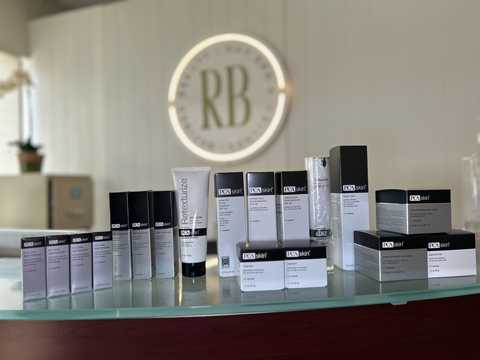
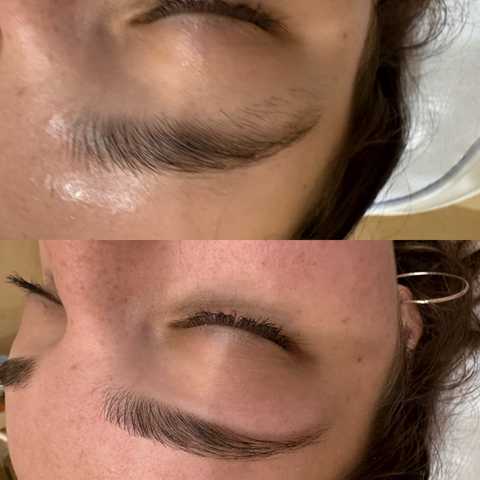
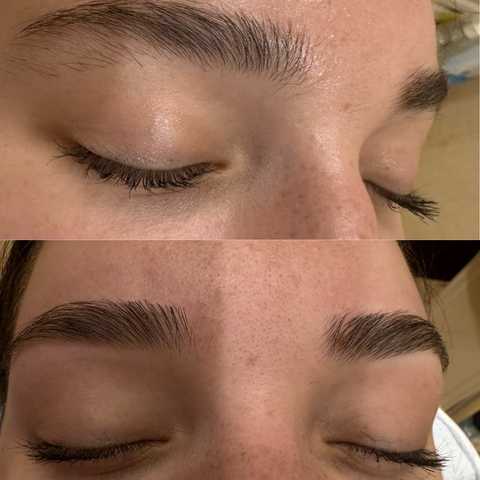
See examples of our LED Light Therapy work and results.


What Our Clients Say
$$MultiPurposeText$$
Read testimonials from our satisfied customers

My facials are always amazing and my skin feels refreshed, glowing and healthier after eve...more

I had an experience like no other. Lily was my massage therapist and she did an amazing jo...more

This was my first time here and Lily was amazing. I got the body wrap & fully body massage...more

Amazing place Hoghly recommended

Mona does an excellent job threading my eyebrows! I have been going to her spa for years!

I had a wonderful dermaplaning experience at this spa. Mona was professional, gentle, and ...more

Frequently Asked Questions
Get answers to common questions about LED Light Therapy.
LED Light Therapy uses specific light wavelengths that penetrate skin cells to stimulate cellular activity, boost collagen production, and reduce inflammation, promoting repair and a healthier, more radiant complexion without needles or heat.
Yes — LED is safe and gentle for most skin types, including sensitive and acne-prone skin. Blue light targets acne bacteria while red reduces inflammation and stimulates healing, with settings tailored for individual comfort and results.
Most clients notice improvement after three to six sessions, spaced one to two weeks apart. Cumulative effects increase with continued treatments; maintenance every four to eight weeks helps sustain collagen production and clear skin.
There’s minimal to no downtime. Some people experience mild, temporary redness or warmth that fades within hours. LED does not damage the skin barrier; we review health history and recommend aftercare to maximize comfort and results.
Yes — LED complements many facial treatments like chemical peels, microdermabrasion, and serums. Timing matters: it’s often performed after exfoliation or extraction to accelerate healing while avoiding irritation.
Most people can safely receive LED, but it’s not recommended for those with photosensitivity, certain medications (like isotretinoin or photosensitizing drugs), active cancer treatments, or pregnancy concerns. A consultation determines candidacy.