

Dermaplaning Facial Gallery
$$MultiPurposeText$$
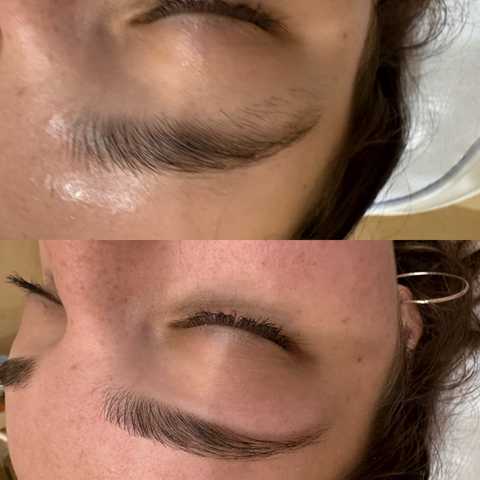
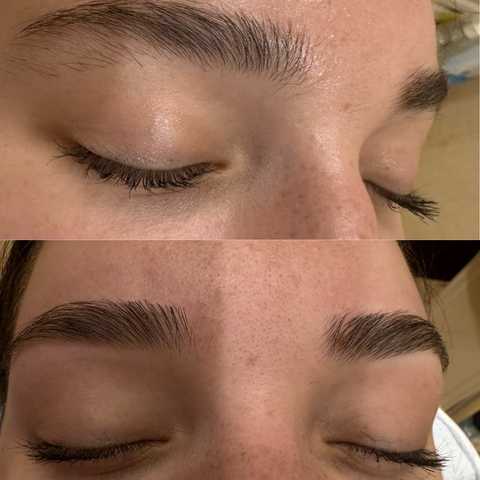
See examples of our Dermaplaning Facial work and results.


What Our Clients Say
$$MultiPurposeText$$
Read testimonials from our satisfied customers

My facials are always amazing and my skin feels refreshed, glowing and healthier after eve...more

I had an experience like no other. Lily was my massage therapist and she did an amazing jo...more

This was my first time here and Lily was amazing. I got the body wrap & fully body massage...more

Amazing place Hoghly recommended

Mona does an excellent job threading my eyebrows! I have been going to her spa for years!

I had a wonderful dermaplaning experience at this spa. Mona was professional, gentle, and ...more

Frequently Asked Questions
Get answers to common questions about Dermaplaning Facial.
Yes. Our trained estheticians assess skin beforehand and use gentle techniques suitable for many sensitive skin types. We may recommend a patch test or adjusted treatment if irritation or active inflammation exists to ensure safety and comfort.
Appointments usually last 45 to 60 minutes, including consultation, cleansing, dermaplaning, and finishing serums or masks. Timing varies depending on skin needs and any additional customization chosen to address hydration, brightening, or calming concerns.
No, hair regrowth is unaffected; peach fuzz grows back with the same texture and thickness. Dermaplaning removes surface hair and dead cells only. Regular treatments may make skin feel smoother, but vellus hair growth does not become coarser or darker.
We recommend treatments every 4 to 6 weeks to maintain smooth texture and enhanced radiance. Frequency depends on individual skin turnover and goals; your esthetician will personalize the plan based on skin type, sensitivity, and skincare routine for optimal outcomes.
Yes, dermaplaning pairs well with many treatments to boost absorption and results, but timing matters. We often layer hydrating or brightening masks afterward. Some aggressive procedures may require spacing; your esthetician will recommend safe combinations and scheduling for your skin.
Avoid retinoids, aggressive exfoliants, and sun exposure for a few days before treatment. Afterward, use sunscreen daily, gentle cleansers, and hydrating products. Skip waxing or hair removal and schedule follow-ups as advised. We provide detailed personalized care instructions at your appointment.